Worldline Issuing refers to the capabilities and operational framework used to create, configure, distribute, and manage payment cards and related digital credentials. This guide examines how issuing platforms fit into the payments ecosystem, including product design, authorization, tokenization, fraud controls, compliance, integration, implementation, and lifecycle management. It also outlines practical evaluation criteria for organizations considering an issuing partnership.

Worldline Issuing sits within the broader card-payments infrastructure that connects financial institutions, businesses, payment networks, processors, merchants, and cardholders. In practical terms, issuing concerns the creation and management of payment credentials on behalf of an organization that provides cards or payment accounts to customers, employees, members, travelers, or other authorized users.
The concept extends well beyond producing a physical card. A modern issuing operation may include product configuration, account and credential provisioning, authorization decisioning, fraud monitoring, digital wallet enablement, transaction controls, dispute support, reporting, and cardholder servicing. These functions must operate together because the quality of an issuing program depends on the entire lifecycle rather than on the appearance of the card itself.
Worldline Issuing may therefore be assessed as a combination of technology, processing capability, operational support, and regulatory alignment. The exact services available can depend on the market, payment scheme, program structure, licensing model, contracting entity, and implementation scope. Organizations should confirm current capabilities and regional availability directly through formal Worldline documentation and commercial discussions.
From an industry perspective, the central question is not simply whether a provider can issue a card. The more important question is whether the provider can support a reliable, controlled, and scalable payment program from initial design through daily operations and eventual closure.
Issuing is also becoming more embedded in digital business models. A card may be connected to an application, a loyalty program, a payroll relationship, a procurement workflow, a travel account, or a broader financial-services proposition. As a result, an issuing program must be designed for both payment-network reliability and the surrounding customer experience. A cardholder may interact with the issuing infrastructure through a mobile application, a web portal, a call center, a corporate administrator, a merchant, or a digital wallet. Each channel needs consistent information about the status of the account and credential.
Payment transactions involve several parties. The issuer generally provides the payment credential to the cardholder and manages the relationship associated with that credential. The acquirer supports the merchant’s acceptance of payments. Payment networks route and govern transactions between participating institutions. Processors provide technology and operational services that help manage authorization, clearing, settlement, and related data flows.
In many commercial arrangements, one organization may perform more than one role, while another organization may rely on a licensed financial institution or regulated partner. This distinction matters when assessing Worldline Issuing because the term can describe a technology and processing relationship rather than a complete transfer of legal responsibility.
A successful program depends on clear allocation of responsibilities. For example, one party may manage customer onboarding, another may conduct transaction monitoring, and another may provide the underlying processing platform. Contracts and operating procedures should explain how these responsibilities interact, especially when a transaction is declined, disputed, suspected of fraud, or subject to regulatory review.
The distinction between authorization and settlement is particularly important. Authorization determines whether a transaction may proceed at the point of sale or online checkout. Clearing and settlement occur later and involve the exchange of final transaction records and funds. A program can have strong real-time authorization performance while still experiencing problems in settlement files, ledger postings, refunds, or reconciliation. Issuing assessments should therefore cover the complete transaction path.
Issuing platforms commonly support a series of connected capabilities. The exact architecture varies, but a structured assessment usually begins with the following areas.
An issuing program may contain one or more products. Examples include consumer debit cards, commercial cards, prepaid credentials, expense cards, virtual cards, travel cards, and controlled-use payment instruments. Each product may require its own rules for eligibility, spending limits, transaction categories, geographic usage, cash access, card replacement, and account funding.
Configuration should be sufficiently flexible to support commercial objectives without creating unnecessary operational complexity. A product with many overlapping rules can become difficult to test and explain. A product with too few controls may expose the organization to misuse, fraud, or customer dissatisfaction.
Product configuration often includes parameters that are not visible to the cardholder. These can include authorization time windows, default currency treatment, permitted transaction channels, account status codes, replacement policies, and the handling of offline or delayed transactions. Such parameters should be documented because they can affect customer outcomes even when the public-facing product description appears simple.
Organizations should also distinguish between permanent product rules and temporary campaign or customer-level rules. A corporate travel card, for example, may have a permanent restriction on certain merchant categories while also receiving a temporary limit increase for a specific trip. Separating these rule types makes approvals, testing, and later removal easier to manage.
Modern issuing programs often combine physical cards with virtual credentials. Physical cards remain relevant for point-of-sale transactions, cash access, identification, and users who prefer a tangible payment instrument. Virtual cards can support online purchases, subscription payments, procurement workflows, and rapid credential deployment.
The important distinction is that a virtual card is not merely a digital image of a physical card. It may have separate controls, a distinct lifecycle, dedicated spending limits, merchant restrictions, and different provisioning arrangements. Program operators should define when a virtual credential is created, how it is displayed, how it is suspended, and how it is replaced when compromised.
Some virtual-card arrangements are intended for one-time purchases, while others remain active for a defined period or until a spending threshold is reached. A business may create a virtual card for a supplier, a particular invoice, an advertising account, or an employee expense. Each use case creates different requirements for authorization, reporting, renewal, and dispute handling.
Physical-card operations introduce additional considerations, including personalization, secure production, inventory, delivery tracking, activation instructions, returned mail, address changes, and replacement logistics. A provider’s ability to process a transaction is only one part of the operational experience. If cards arrive late or cannot be replaced quickly, the program may fail to meet customer expectations despite strong back-end performance.
Authorization is the point at which a payment request is assessed against account status, available funds or credit, product rules, merchant information, risk indicators, and other decision parameters. A reliable issuing environment must process these decisions consistently and with appropriate speed.
Decisioning can include standard checks such as:
Declines should be handled carefully. A technically correct decline can still produce a poor customer experience if the reason is unclear, the account status is inaccurate, or an authorized transaction is rejected because of an improperly configured rule. For that reason, testing should include both ordinary and exceptional transaction scenarios.
Authorization decisioning must also account for different transaction types. A card-present purchase, an e-commerce purchase, a recurring payment, an automated fuel transaction, a hotel deposit, and a cash withdrawal may carry different data elements and risk characteristics. The system should apply rules appropriate to the transaction context instead of treating every authorization request as identical.
Partial approvals and reversals deserve particular attention. In some environments, the issuer may approve less than the requested amount or later receive a reversal when the final transaction differs from the initial authorization. These events affect available balance, customer notifications, accounting records, and dispute investigations. The operating model should explain how they are represented to cardholders and administrators.
Tokenization replaces a primary card number with a payment token that can be used in a defined environment. Digital wallets commonly use tokenized credentials to reduce the exposure of the underlying card number during a transaction. Tokenization does not eliminate the need for security controls; it changes how credentials are represented and managed.
Issuing organizations should examine the full token lifecycle, including provisioning, activation, suspension, device changes, replacement, and revocation. They should also understand how customer authentication, device binding, transaction verification, and wallet-specific events are handled.
For cardholders, the practical benefit is often convenience combined with a different security model. For program operators, the operational challenge is ensuring that the token status remains aligned with the underlying account and that support teams can resolve wallet-related issues without exposing sensitive information.
A cardholder may have several active tokens associated with one underlying card, including tokens on a phone, watch, tablet, browser, or merchant-specific environment. Suspending the physical card may not always be equivalent to removing every token, depending on the design of the wallet and issuing system. Clear procedures are therefore needed for lost devices, compromised accounts, replacement cards, and customer requests to remove a wallet credential.
Fraud management is a layered activity. It may include identity verification, transaction screening, behavioral analysis, merchant-category controls, geographic rules, velocity checks, card-present security, online authentication, and post-transaction review. No single control can address every risk pattern.
An effective Worldline Issuing evaluation should consider whether risk rules can be configured for the intended product and whether authorized personnel can review alerts, document decisions, and adjust controls through governed processes. Excessively strict controls can create avoidable declines, while weak controls can increase exposure to unauthorized activity.
Risk controls also need a clear escalation path. A suspicious transaction may require automated blocking, customer confirmation, manual investigation, or referral to a specialist team. The process should identify who can release a hold, replace a credential, contact the cardholder, and preserve relevant records.
Fraud performance should be reviewed alongside false-positive rates. A system that blocks many transactions may appear effective when measured only by prevented loss, but it can also frustrate legitimate customers and increase support costs. Conversely, a high approval rate may conceal growing fraud exposure. Effective monitoring considers both financial loss and customer impact.
Risk models should be subject to controlled change. New rules or model updates need testing against historical and synthetic transaction data, with attention to different customer groups and transaction channels. The organization should retain evidence explaining why a control was introduced, what outcome was expected, and how performance will be reviewed after deployment.
Card lifecycle management covers the period from creation to closure. Typical states include pending, issued, activated, suspended, blocked, expired, replaced, and terminated. Virtual credentials may have additional states associated with a purchase, subscription, employee, project, or supplier.
Lifecycle controls should address:
Lifecycle design becomes especially important for corporate and expense programs. A company may need to issue a card when an employee joins, change limits when a role changes, suspend the card during leave, and close it when employment ends. These events should be connected to internal systems and clearly controlled.
Lifecycle events should be idempotent where possible. If an integration sends the same suspension request twice because of a timeout, the second request should not create an inconsistent state. Similarly, a replacement process should make clear whether the old credential is immediately blocked, remains available for a short transition period, or is closed only when the new credential is activated.
Account closure also requires care. A card may be inactive while pending transactions, refunds, chargebacks, or settlement adjustments remain open. Closure procedures should define how these items are handled and how the customer receives any remaining balance or final statement.
Building an issuing operation internally can require expertise across payments, software engineering, customer support, fraud, compliance, settlement, card production, and regulatory governance. A specialized partner may reduce the number of separate interfaces and operational relationships that an organization must manage.
Worldline Issuing can be relevant to organizations seeking a structured approach to card-program delivery, particularly when they need access to established payment infrastructure, processing experience, or support for multiple channels. The value of an issuing partner should be judged against the organization’s actual requirements rather than against a generic assumption that outsourcing is always preferable.
Potential strategic benefits may include:
These benefits should be validated through due diligence. Organizations should request a description of the proposed architecture, service boundaries, implementation assumptions, support model, incident process, reporting functions, and commercial terms.
An external partner can also provide continuity during periods of rapid growth. When transaction volumes increase, an organization may need more operational staff, stronger monitoring, additional reporting, and expanded customer support. A provider with established processes may help absorb some of that growth, but the client still needs internal expertise capable of managing the relationship and challenging assumptions.
Outsourcing does not remove the need for strategic ownership. The organization should retain clear authority over product objectives, customer treatment, risk appetite, compliance interpretation, and major operational decisions. The provider supplies infrastructure and services; the client remains responsible for ensuring that the resulting product is appropriate for its customers and business model.
Banks, regulated financial institutions, and other payment providers may use issuing services to launch or modernize card portfolios. The program could involve consumer payment cards, account-linked debit cards, commercial products, or specialized propositions.
The evaluation focus for a financial institution may include integration with the core banking environment, authorization performance, scheme connectivity, ledger treatment, regulatory reporting, reconciliation, and customer service. A bank may also require strong control over product configuration and the ability to maintain consistent policies across multiple card types.
Fintech organizations often seek to combine a digital customer experience with established payment infrastructure. Issuing can support account products, spending controls, digital wallets, and targeted payment solutions.
For these organizations, speed of product iteration is important, but it must be balanced with governance. Every new feature can affect transaction monitoring, customer disclosures, support procedures, and data protection. A modular issuing platform can help, but only if the organization maintains disciplined release management and testing.
Businesses may issue cards to employees, departments, contractors, or project teams. Controls can be designed around budgets, merchant categories, approval workflows, and reporting requirements.
A corporate program should connect card activity with accounting and expense-management processes. Important questions include whether transactions can be tagged by cost center, whether receipts can be associated with purchases, and how cards are suspended when an employee changes role or leaves the organization.
Procurement programs may use virtual cards to improve visibility over supplier payments. A buyer can create a credential for a particular vendor or approved purchase, apply a maximum amount, and match the resulting transaction against an invoice. The commercial value comes not merely from payment execution but from reducing manual reconciliation and increasing control over purchasing activity.
Travel programs may require virtual or physical credentials for airlines, hotels, agencies, transportation providers, and travelers. They may also require temporary limits, geographic controls, and rapid replacement procedures.
Travel-related transactions can be operationally complex because authorizations, deposits, incremental charges, cancellations, and delayed presentments may not follow the same pattern as a standard retail purchase. The issuing design should therefore account for merchant practices and customer support needs in the travel sector.
Travel programs should also consider emergencies. A traveler may lose a card in another country, encounter a merchant that requires a deposit, or need a temporary increase in available spending. Support, risk, and replacement processes must operate across time zones and should provide appropriate controls for urgent exceptions.
Digital platforms may explore issuing for sellers, workers, contractors, or business users. A card can support disbursement, purchasing, or controlled spending within a platform ecosystem.
This use case requires careful attention to user eligibility, account ownership, funds movement, complaint handling, and the separation between platform functionality and regulated payment activity. The commercial appeal of a branded card should not obscure the need for a clear legal and operational model.
Associations, retailers, travel brands, and membership organizations may consider issuing as a way to connect payments with loyalty or customer engagement. A card can support rewards, discounts, controlled benefits, or access to a specialized customer proposition.
These programs require clear communication about the relationship between the brand and the regulated issuing entity. Customers should understand where to seek help for payment problems, rewards questions, unauthorized transactions, and account closure. Data-sharing arrangements between the brand, issuer, processor, and marketing partners should also be reviewed carefully.
Issuing integration is usually broader than connecting one application programming interface. The architecture may include customer data, account records, funding or ledger systems, transaction authorization, card management, notification services, reporting, fraud tools, customer support, and reconciliation.
Before implementation, the organization should create a system-of-record map. This map identifies where each important data element is maintained and which system is authoritative. Examples include customer identity, account status, available balance, card status, spending limit, token status, transaction history, and dispute state.
Common integration areas include:
| Integration area | Purpose | Key questions |
|---|---|---|
| Customer and account data | Creates and maintains the relationship between users, accounts, products, and credentials. | Which platform is authoritative, and how are updates synchronized? |
| Authorization | Supports real-time transaction decisions and responses. | Which rules are local, and which are handled by the issuing environment? |
| Card management | Controls activation, suspension, replacement, expiration, and closure. | Can lifecycle events be initiated through approved channels? |
| Digital credentials | Supports token provisioning and wallet-related status changes. | How are tokens linked to accounts and physical credentials? |
| Reporting and reconciliation | Matches transaction, settlement, ledger, and operational records. | What files, reports, or interfaces are available, and at what frequency? |
| Customer support | Enables service teams to investigate card and transaction issues. | What information can agents view, and what actions require approval? |
Data quality is a decisive factor. An issuing project can experience delays when customer identifiers, account statuses, product codes, or transaction references do not match across systems. A practical data dictionary should be prepared before development begins, with definitions for required fields, formats, permitted values, ownership, and retention.
Organizations should also plan for resiliency. They should understand how the system behaves during a connectivity interruption, delayed response, duplicate request, partial service outage, or reconciliation mismatch. Business continuity arrangements should explain which functions remain available, how transactions are handled, and how backlogs are reconciled after restoration.
API design should address authentication, authorization, rate limits, versioning, error codes, retries, idempotency, and audit logging. Event-driven integrations should specify whether events are delivered at least once, how consumers detect duplicates, and how missed events can be recovered. Batch files should have documented naming conventions, control totals, delivery schedules, encryption requirements, and procedures for rejected or incomplete files.
Technical teams should establish separate environments for development, testing, certification, and production. Test data must be handled safely and should not contain unnecessary real cardholder information. Access to production credentials and administrative functions should be restricted, monitored, and reviewed periodically.
Payment issuing operates in a highly controlled environment. The relevant obligations vary by jurisdiction, product type, funding model, customer segment, and role allocation. A program may involve payment-services regulation, consumer-protection requirements, anti-money-laundering controls, sanctions screening, data-protection rules, card-network standards, and security frameworks.
Organizations should not assume that using an established provider transfers all compliance responsibility. The contract should identify the obligations of each participant, including customer due diligence, transaction monitoring, reporting, incident notification, record retention, complaint management, and regulatory cooperation.
The Payment Card Industry Data Security Standard, commonly known as PCI DSS, is an important reference for environments that store, process, or transmit payment account data. Its applicability and scope should be assessed by qualified internal or external specialists. The organization should document which components are in scope, which controls are inherited from a provider, and which controls remain under the organization’s management.
Security planning should cover encryption, key management, privileged access, authentication, logging, vulnerability management, secure development, monitoring, and incident response. It should also account for operational tools used by customer-service agents and administrators, since these interfaces can expose sensitive functions even when the core platform is well protected.
Security should be assessed as a continuous operating process rather than a one-time certification exercise. Access rights must be adjusted when employees change roles, credentials should be removed promptly when staff leave, and incident-response plans should be tested through realistic exercises. Third-party dependencies and subcontractors should be included in the security review.
Issuing programs process personal and financial information. Data-protection analysis should address the legal basis for processing, transparency notices, purpose limitation, access controls, international transfers where relevant, retention periods, and rights-management procedures.
Data minimization is useful both for privacy and for security. Systems should collect and expose only the information required for a defined purpose. Support teams, for example, may need to verify a cardholder without seeing complete payment credentials.
Organizations should document how data moves between the issuer, processor, program manager, merchant, acquirer, wallet provider, customer-support platform, and analytics tools. Retention schedules should distinguish between data needed for active servicing, data retained for legal or accounting reasons, and data that should be securely deleted when no longer required.
Customer authentication should match the risk of the action. Activating a card, changing a spending limit, adding a device, replacing a credential, or confirming a suspicious transaction may require different levels of verification.
Strong customer authentication requirements may apply in certain markets and transaction circumstances. Organizations should confirm the specific regulatory and network rules that govern their product. Authentication should also be designed for accessibility, recovery, and fraud resistance; a process that is difficult to complete can push customers toward insecure workarounds.
Customer protection also includes clear disclosures, fair treatment of declined or blocked transactions, accessible complaint channels, and appropriate handling of vulnerable customers. Support teams should be trained to distinguish between a routine service request and a potential account takeover or unauthorized transaction.
Implementation is very effective when handled as a controlled program rather than as a simple technology deployment. The following sequence provides a practical starting point.
Identify the target users, payment purpose, product type, funding arrangement, geographic scope, distribution channels, and expected operational model. Clarify whether the organization is an issuer, a program manager, a regulated institution, or a commercial partner working with another licensed entity.
The business model should also state what the card will not do. Explicit boundaries can prevent later confusion about cash access, international use, recurring payments, merchant restrictions, or user eligibility.
Determine which entities hold the relevant licenses, perform customer due diligence, monitor transactions, manage complaints, and respond to regulators. Obtain legal and compliance advice appropriate to the intended markets.
This stage should produce a responsibility matrix. Each obligation should have an owner, a control description, evidence requirements, and an escalation path.
Define the required physical and virtual products, card schemes, currencies, transaction channels, wallet capabilities, authorization rules, reporting requirements, and settlement arrangements. Avoid selecting features simply because they are technically available. Every feature adds testing, documentation, support, and governance requirements.
Document the journey from application or enrollment through verification, account creation, credential issuance, activation, daily use, support, replacement, and closure. Include alternate paths for rejected applications, incomplete information, suspected fraud, lost cards, charge disputes, and account restrictions.
At this point, the organization should also prepare customer communications. Cardholder instructions should explain activation, security responsibilities, transaction notifications, dispute channels, and how to report loss or unauthorized activity.
Create a data dictionary and define the relationship between customers, accounts, products, cards, tokens, transactions, disputes, and limits. Specify unique identifiers and event timestamps. Determine how corrections are made and how historical records are preserved.
Integrate the issuing environment with the relevant customer, ledger, support, risk, notification, and reporting systems. Test normal transactions as well as edge cases, including timeouts, duplicate messages, reversed authorizations, partial approvals, offline transactions where applicable, and delayed clearing records.
Set spending limits, merchant restrictions, geographic rules, velocity thresholds, authentication triggers, alert procedures, and case-management workflows. Controls should be tested against realistic transaction patterns and reviewed by risk, compliance, operations, and customer-support representatives.
Payment-network certification, security review, user acceptance testing, operational rehearsal, and compliance sign-off may be required depending on the program structure. Readiness should be based on evidence rather than a general statement that the platform is complete.
A phased launch can help identify issues before a broad release. The first phase might involve a defined user group, limited products, controlled spending parameters, or selected channels. Monitoring should be especially active during the early operating period.
After launch, review authorization outcomes, customer contacts, disputes, fraud alerts, delivery issues, reconciliation differences, and system performance. Product governance should include a regular process for changing rules and documenting the impact of each change.
An often-overlooked implementation requirement is the possibility of migration or program closure. Contracts and technical plans should explain how cards are replaced, how balances are handled, how transaction history is exported, how open disputes are transferred, and how customer communications are managed if the relationship ends.
Worldline Issuing should be evaluated within the context of practical prerequisites. The following conditions are commonly relevant, although the exact requirements must be confirmed for the chosen market and product.
Financial planning is another important condition. The program should account for fixed and variable costs, including implementation, card production, delivery, transaction processing, customer support, fraud management, disputes, reporting, currency conversion, and regulatory or network-related charges. Business cases should include realistic assumptions about inactive accounts, replacement cards, chargebacks, and support demand.
The following comparison helps organizations distinguish common operating approaches. It is a strategic framework rather than a statement about any specific commercial offering.
| Approach | Typical characteristics | Potential strengths | Primary considerations |
|---|---|---|---|
| Internal issuing platform | The organization develops and operates very issuing capabilities itself. | High control over product behavior, data, and release priorities. | Requires substantial payments, engineering, compliance, security, and operational resources. |
| Specialist issuing processor | A provider supplies processing and related issuing infrastructure while the client manages defined program responsibilities. | Access to specialized capabilities and an established operating model. | Scope boundaries, integration quality, service levels, and accountability must be clear. |
| Bank or regulated-partner model | A regulated institution provides the issuing relationship, often with technology and program partners. | May support access to regulated payment infrastructure and established controls. | Requires careful allocation of compliance, customer, data, and operational responsibilities. |
| Modular technology stack | The organization combines separate providers for ledger, processing, risk, card management, and support. | Can offer flexibility and the ability to select specialized components. | More interfaces create additional reconciliation, monitoring, and vendor-management requirements. |
A structured procurement process should begin with business outcomes and operational risks. The following questions can support a disciplined evaluation.
Can the proposed service support the intended card types, currencies, channels, controls, wallets, limits, and customer segments? Can the organization configure products without requiring provider intervention for every routine adjustment? If provider involvement is required, what is the change process and expected timing?
Is the proposed issuing model available in the target markets? Which payment networks and transaction types are supported? Are there differences in functionality, regulation, settlement, or service operations between jurisdictions?
Are interfaces documented and suitable for the organization’s architecture? Are event notifications available for card status, authorization outcomes, token changes, disputes, and account updates? How are errors identified and retried?
What independent assessments, certifications, control reports, and security documentation are available? Which controls are provided by Worldline, and which must be operated by the client? How are vulnerabilities, incidents, privileged access, and subcontractors managed?
What support channels exist for technical incidents, transaction issues, fraud cases, and operational questions? Are service levels defined for high-priority events? How are incidents communicated to customers and program participants?
The commercial assessment should consider implementation costs, processing fees, card production and delivery, dispute handling, support, currency conversion, account maintenance, reporting, change requests, and minimum commitments where applicable. Pricing may vary significantly according to product scope, volume, market, and services selected. Organizations should rely on a tailored quotation and contract rather than generalized public estimates.
The client should evaluate the provider’s financial stability, delivery capacity, subcontractor model, product roadmap, incident history, and approach to service improvement. Governance meetings should review performance, open risks, planned changes, audit items, and upcoming regulatory or network developments.
Issuing performance should be measured through a balanced set of indicators. A single metric, such as approval rate, cannot represent the complete health of a card program.
| Metric category | Examples of questions |
|---|---|
| Authorization | Are valid transactions being approved consistently? Are declines correctly categorized? |
| Fraud and risk | Are alerts investigated promptly? Are controls reducing misuse without causing unnecessary customer friction? |
| Lifecycle | How quickly are cards activated, replaced, suspended, or closed? |
| Customer experience | What are the main support topics, complaint themes, and resolution times? |
| Reconciliation | Are transaction, settlement, ledger, and reporting records aligned? |
| Availability and resilience | Does the service meet agreed operational targets, and how effectively are incidents recovered? |
| Compliance operations | Are monitoring, reporting, record retention, and control reviews completed as required? |
Metrics should be segmented by product, market, channel, merchant category, customer type, and transaction context where appropriate. Segmentation can reveal that an overall result hides a specific problem, such as online declines affecting one customer group or delivery delays concentrated in one region.
Leading indicators should be reviewed in addition to outcome metrics. Increasing numbers of failed activation attempts, unresolved reconciliation exceptions, repeated support contacts, or delayed fraud investigations may indicate a developing problem before financial losses or complaints become visible. Dashboards should therefore combine operational volume, quality, timeliness, and risk information.
Projects often encounter difficulty when the client assumes the processor handles a task that remains with the client, or when several parties believe another team owns an operational decision. A detailed responsibility matrix should be agreed before launch and revisited after testing.
Differences in names, addresses, account identifiers, dates, or status codes can disrupt onboarding, reporting, and support. Data validation rules and exception queues should be defined early.
Testing only successful purchases is inadequate. Teams should test reversals, refunds, partial approvals, recurring transactions, replacement cards, expired credentials, wallet changes, duplicate messages, late presentment, and account restrictions.
Detailed controls may appear attractive during product design, but excessive complexity can make customer communication and operational support difficult. Rules should be documented in plain language and tested by people who were not involved in creating them.
Authorization records, clearing files, settlement entries, ledger postings, and customer-facing histories may not arrive at the same time. A reconciliation process should explain expected timing differences, matching keys, exception handling, and escalation.
A small adjustment to a spending limit or merchant rule can affect risk, customer disclosures, testing, and reporting. Changes should be evaluated for downstream effects and deployed through controlled procedures.
Support teams may receive questions about declines, duplicate charges, pending transactions, refunds, wallet provisioning, card delivery, and unauthorized activity. If agents cannot see the relevant status or do not know which party owns the issue, resolution times increase. Training, documented procedures, secure tools, and escalation channels should be ready before launch.
From an industry expert’s perspective, the strongest issuing programs are not necessarily those with the largest feature lists. They are the programs that align product ambition with operational maturity. A simple card product with clear controls, dependable support, and accurate reconciliation can be more valuable than a sophisticated proposition that staff cannot manage consistently.
Three principles are particularly important.
Issuing also requires cooperation between traditionally separate departments. Product teams define the proposition, engineers build integrations, operations manage processes, finance reconciles funds, compliance interprets obligations, risk teams manage exposure, and support teams communicate with users. Program governance should bring these perspectives together.
Speed should be measured responsibly. A rapid launch is valuable only when it does not create hidden operational debt. A controlled pilot can allow teams to validate assumptions about customer behavior, transaction patterns, support demand, and fraud exposure before the program expands. Scaling should be linked to evidence that the platform and operating teams can handle the next level of volume.
The issuing landscape continues to evolve as businesses seek more embedded, digital, and specialized payment experiences. Future programs may combine cards with account-to-account payments, real-time notifications, programmable controls, automated reconciliation, and more detailed transaction data. This creates opportunities for better customer experiences but also increases the importance of data governance and consistent decisioning.
Embedded finance can make payment services appear seamless inside a non-financial application. For the customer, the process may look like a normal feature of a marketplace, travel platform, or business-management tool. Behind that experience, however, the organization must still manage account ownership, authentication, complaints, fraud, disclosures, and regulatory responsibilities.
Artificial intelligence and advanced analytics may support fraud detection, customer-service triage, and spending insights. These tools should be introduced with appropriate oversight. Organizations need to understand the data used by a model, monitor outcomes, assess unintended bias, and maintain a human review process for significant decisions.
Environmental and social considerations may also influence issuing choices. Organizations can assess card-material options, delivery methods, replacement rates, supplier practices, accessibility, and the ability to provide digital alternatives. These factors should be considered alongside security, reliability, compliance, and total cost.
Organizations researching Worldline Issuing should use current and authoritative material when validating a proposed solution. Relevant reference categories include:
These sources should be reviewed for the relevant jurisdiction and product. Regulations and technical specifications can change, and a document that applies to one role or market may not apply to another. Legal, compliance, security, and payments specialists should participate in the final assessment.
Public product descriptions are useful for initial research, but they may not answer detailed questions about service boundaries, implementation assumptions, support levels, data locations, or commercial commitments. A formal request for information or request for proposal can help obtain comparable answers from several providers. The organization should retain the assumptions used in its evaluation so that the final contract can be checked against the original requirements.
Worldline Issuing refers to issuing-related payment capabilities and services associated with Worldline’s payments ecosystem. Depending on the arrangement, these capabilities may support card creation, account and credential management, authorization, transaction processing, tokenization, controls, reporting, and operational services. The exact scope depends on the selected product, market, contractual structure, and role of each participant.
No. Card production is only one component of a complete issuing program. Issuing also involves account relationships, authorization, security, lifecycle management, digital credentials, transaction records, customer support, disputes, settlement, and compliance operations.
Virtual-card support may be available within relevant issuing arrangements, but organizations should confirm the precise product scope. Important questions include virtual-card creation, spending controls, tokenization, wallet support, expiration, replacement, merchant restrictions, and reporting.
Generally, no. Responsibilities depend on the legal and operating model. A provider may operate certain controls or supply supporting infrastructure, while the client or regulated partner retains responsibility for other obligations. The allocation should be documented and reviewed by qualified advisers.
Potential users include financial institutions, fintech companies, corporate expense programs, travel businesses, marketplaces, membership organizations, and other businesses with a legitimate payment use case. Eligibility and feasibility depend on the product, jurisdiction, regulatory structure, funding model, and risk profile.
There is no universal timeline. Duration depends on product complexity, market coverage, integrations, approvals, certification, customer due diligence, testing, card production, operational readiness, and the number of parties involved. A narrow pilot generally has different requirements from a multi-market launch.
Prepare the target markets, customer types, product description, physical or virtual credential requirements, expected transaction patterns, funding model, currencies, spending controls, digital-wallet needs, integration architecture, compliance responsibilities, support model, and launch objectives. This information helps produce a more accurate solution assessment.
Payment-account data security, access control, encryption, authentication, monitoring, incident response, secure development, and data protection should all be assessed. PCI DSS may be relevant, while EMVCo and payment-network requirements may apply to specific technologies or products. The applicable framework depends on the program’s architecture and roles.
Compare functional fit, regional coverage, payment-network access, integration quality, security assurance, operational support, reporting, resilience, change management, commercial terms, and responsibility allocation. A feature checklist alone is insufficient; reference architecture, testing evidence, service documentation, and contractual clarity are equally important.
Many programs face their greatest risk at the boundary between systems and organizations. Examples include incorrect data synchronization, unclear fraud ownership, incomplete reconciliation, unsupported exception cases, or customer-support teams lacking the tools to resolve issues. Cross-functional readiness testing can reduce these risks.
The answer depends on the architecture and agreed continuity procedures. Organizations should understand which authorization, card-management, notification, and support functions remain available, how pending transactions are treated, how customers are informed, and how records are reconciled after recovery. These procedures should be tested rather than left as assumptions.
A provider change may be possible, but migration can be complex. The organization should consider card replacement, account and balance migration, open disputes, historical reporting, customer communication, payment-network requirements, data export, and the treatment of tokens. Exit assistance and data portability should be addressed during the original contracting process.
Worldline Issuing should be understood as part of a complete payment-program operating model rather than as a standalone card-production service. Its relevance lies in the ability to connect product design, credential management, authorization, tokenization, risk controls, compliance, reporting, and customer operations.
Organizations considering an issuing partnership should begin with a clearly defined business model and responsibility structure. They should then evaluate technical integration, security, regional availability, lifecycle processes, customer support, reconciliation, resilience, and commercial conditions. The final decision should be based on verified documentation and a program-specific assessment.
A well-designed issuing program is both a technology project and an operating discipline. When product objectives, regulatory responsibilities, system architecture, and customer needs are aligned, an issuing platform can provide a structured foundation for dependable payment services and future product development.
Striking the Perfect Balance: Navigating Premiums and Out-of-Pocket Expenses in Senior Insurance Plans

Explore the Tranquil Bliss of Idyllic Rural Retreats

How to Make Lasting Memories at Disneyland Attractions

Affordable Phones and Plans for Seniors

Affordable Full Mouth Dental Implants Near You

Unlock the Top Kept Secrets to Finding Your Ideal Dentist for Flawless Dental Implant Results!

Discovering Springdale Estates

Unveiling RS Sul Telecom Services

The Guide to Car Trading


Maximizing Benefits with Cash Rewards Cards
This comprehensive guide explores the nuances of using Cash Rewards Cards to maximize financial benefits. With a focus on how consumers can harness these cards for cost-efficiency, the article provides an in-depth examination of their functionality, various reward structures, and strategies to optimize their use. Featuring professional insights, the piece serves as a detailed resource for anyone looking to enhance their purchasing power through strategic card usage.

The Comprehensive Guide to Cash Rewards Card
Discover how a Cash Rewards Card can transform your spending habits and financial health. These cards offer users points for money spent, which can be redeemed for cash. Utilizing a rewards card effectively can bring significant benefits, but understanding the terms, fees, and management practices is essential for maximizing rewards and avoiding debt.

Understanding Calcard Sinop for Industrial Supply Decisions
This guide explains how Calcard Sinop fits into industrial procurement decisions, focusing on how buyers compare supplier options, specification compatibility, and delivery reliability. The background sections objectively define what the term typically refers to in supply contexts and why sourcing discipline matters. Readers also get practical criteria for evaluating offers and a detailed FAQ for smoother, risk-aware purchasing.
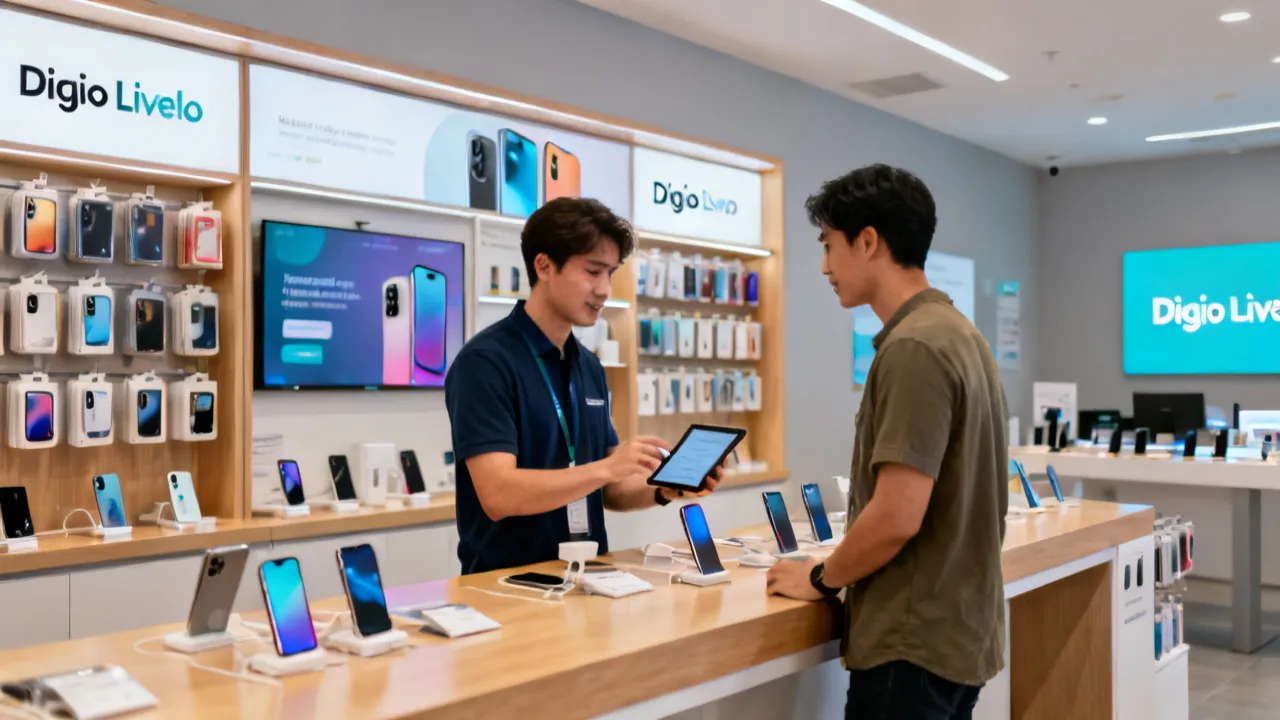
Understanding Digio Livelo: Pricing, Suppliers, and Use Cases
This guide explains how Digio Livelo works in practice, focusing on pricing structure, supplier relationships, and what to expect when evaluating offers. It also provides objective background on common loyalty-to-reward ecosystems, typical procurement and compliance steps, and how businesses compare options without assuming outcomes.

Calcard Sinop: Industry Overview and Sourcing Guide
Calcard Sinop products are evaluated here as a practical sourcing and compliance guide. The article objectively explains what “Calcard Sinop” commonly refers to in commerce and supply contexts, outlines selection criteria, discusses supplier considerations and procurement conditions, and provides a comparison table, step-by-step checklist, and FAQs to help buyers make defensible decisions.

Calcard Sinop: Buying Guidance and Industry Context
Calcard Sinop products are evaluated here for informed selection, focusing on usage suitability, documentation, and supplier credibility. Then the guide offers an objective background on what “Calcard Sinop” typically refers to in medical supply and product ecosystems, clarifying how professionals compare specifications, compatibility, and traceability across sourcing options.